Missouri summers don’t mess around. One week feels warm and breezy, and the next feels like the air learned how to sweat. Between high heat, heavy humidity, and long stretches of 90-degree days, our air conditioning systems work hard to keep homes and businesses comfortable.
At ACR Heating and Cooling, our HVAC contractors see firsthand how Missouri summer weather affects cooling equipment across Sedalia, Warrensburg, Marshall, and nearby Central Missouri communities. Some systems stop cooling well, some run all day, and others start making noises that nobody wants to hear at 9:00 p.m. The good news is that a little HVAC maintenance and the right service plan can help your AC handle the season with fewer surprises.
Not only do air conditioners lower the temperature, but they also remove moisture from the air. When humidity rises, your home can feel warmer than the thermostat says. That sticky feeling makes people lower the temperature, which makes the AC run longer.
When an air conditioner runs longer, the compressor, blower motor, fan, coils, and electrical components all take on more work. Over time, that extra strain can lead to higher energy bills, weaker cooling, more repairs, and shorter equipment life.
We often hear customers say, “The AC is running, but my house still feels warm.” In many cases, the system is trying its best, but heat and humidity are giving it a full workout. Dirty filters, clogged coils, low refrigerant, poor airflow, and aging parts can make that workout even harder.
Humidity is one of the biggest comfort problems in Missouri. Warm, damp air holds more moisture, and your AC has to remove that moisture while also cooling the space. If the system can’t keep up, rooms may feel clammy, heavy, or uneven.
High indoor humidity can also create other issues. Moisture can contribute to musty odors, mold growth, and poor indoor air quality. If your AC runs constantly but your home still feels sticky, the problem may involve airflow, system sizing, dirty coils, or a drainage issue.
We consider the entire cooling process when we service a system. That includes checking the filter, coils, condensate drain, refrigerant levels, blower performance, and thermostat settings. Sometimes the fix is simple. Other times, the system needs deeper service to get humidity under control.
Long heat waves are hard on air conditioners because the system gets fewer breaks. During mild weather, an AC cycles on and off throughout the day. During extreme heat, it may run for hours at a time, especially in homes with poor insulation, leaky ducts, or lots of direct sunlight.
That constant operation can expose weak parts. A capacitor that was barely hanging on in May may fail in July. A dirty outdoor coil may put the compressor under too much strain. A clogged filter may restrict airflow until the indoor coil freezes. Missouri heat has a way of finding every weak spot.
During peak summer, we recommend watching for warning signs such as:
If you notice any of these issues, contacting us early usually helps prevent a bigger repair. We would rather fix a small problem before it becomes an emergency on the hottest day of the month.
Changing the air filter sounds almost too simple, but it matters. A clogged filter restricts airflow, which forces the system to work harder. When airflow drops, comfort drops with it. The AC may run longer, cool less effectively, and put extra strain on the blower motor.
For many homes, replacing the filter every one to three months works well. Homes with pets, allergy concerns, heavy system use, or dusty conditions may need more frequent changes. Businesses may also need a more regular filter schedule because commercial systems often run longer hours.
Clean filters help with:
We can help you choose a filter that fits your system. A filter that’s too restrictive can create airflow problems, even if it looks like an upgrade. The best filter is one your system can handle while still capturing the dust and particles you want removed.
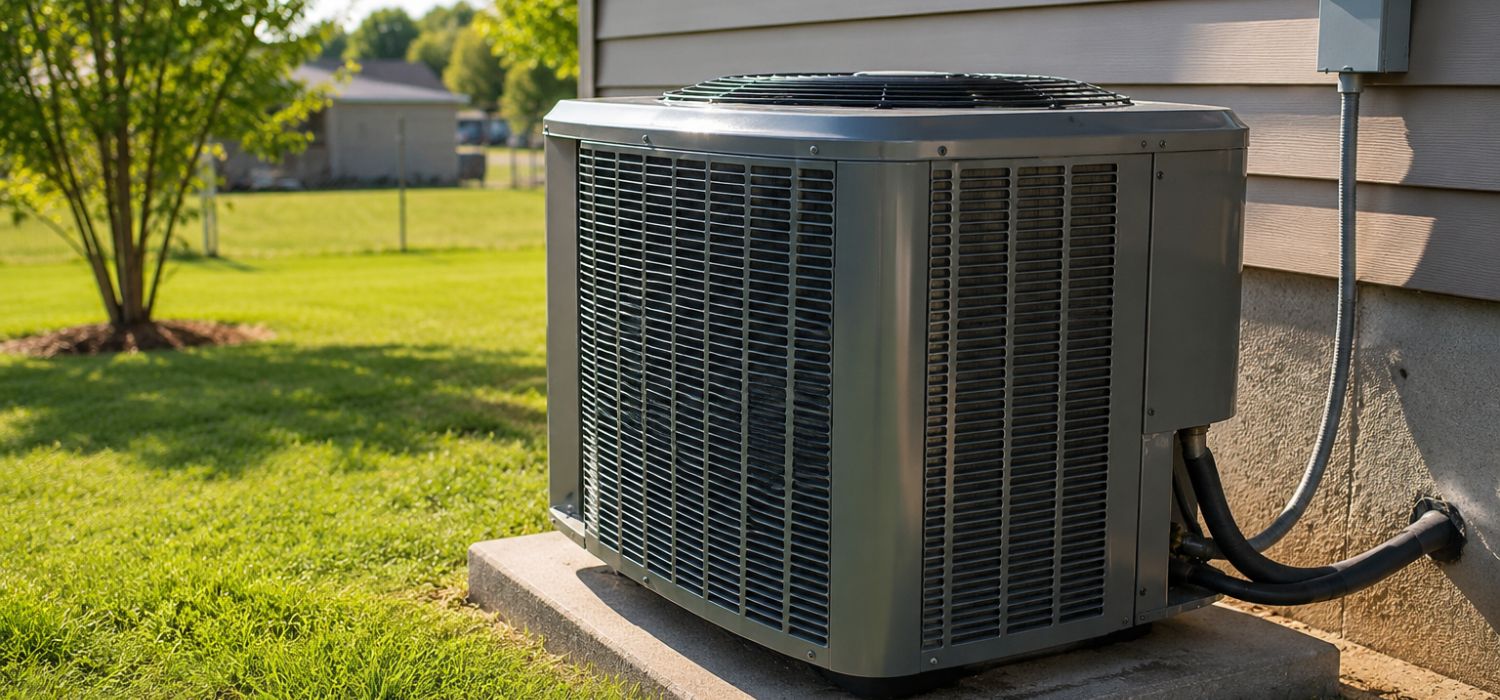
Your outdoor AC unit releases heat from your home or business. If grass clippings, leaves, weeds, dirt, or debris block the unit, it can’t release heat efficiently. That makes the system work harder and can lead to overheating or poor cooling.
We recommend keeping at least 2 feet of clear space around the outdoor unit whenever possible. Trim back plants, remove debris, and avoid piling mulch or dirt against the equipment. A gentle rinse with a hose can help clear loose dirt from the outside of the coil, but avoid pressure washing because it can damage the fins.
A clean outdoor unit can operate more efficiently and with less stress. Think of it like trying to jog in July while wearing a winter coat. Technically possible, but nobody is having a good time.
A summer tune-up gives your AC a better chance of making it through the hottest stretch of the year. During maintenance, we inspect the equipment, clean key components, test controls, check electrical connections, review airflow, and look for worn parts.
ENERGY STAR notes that proper maintenance helps heating and cooling systems operate more efficiently. That lines up with what we see in the field. Clean, well-adjusted systems usually perform better than neglected ones, especially during heavy summer demand.
During an AC tune-up, we may check:
Maintenance doesn’t guarantee that a system will never break, but it reduces the likelihood of unexpected problems. It also helps us spot parts that are wearing down before they cause a shutdown.
When an AC system gets dirty or neglected, it often uses more electricity to deliver less comfort. That’s not a great trade. Dirty coils, clogged filters, loose electrical connections, weak motors, and refrigerant issues can all reduce efficiency.
A well-maintained system can cool more effectively without working as hard. That may help lower monthly energy costs and reduce wear on the equipment. For older systems, regular service also helps you decide when repair still makes sense and when replacement may be the smarter long-term option.
We never want customers to feel pressured to replace equipment too soon. When we inspect a system, we explain what we find and talk through practical options. If a repair can keep the system running safely and reliably, we’ll say so. If the equipment is aging, inefficient, or facing expensive repairs, we’ll walk you through replacement choices.
During Missouri summers, many families and businesses keep windows closed and rely on air conditioning for comfort. That means indoor air circulates through the HVAC system again and again. If filters are dirty, coils are dusty, or humidity stays too high, indoor air quality can suffer.
A properly maintained AC system helps manage moisture, reduce airborne particles, and support better comfort. For customers with allergies, musty odors, or humidity concerns, we can also discuss indoor air quality solutions that work with the existing HVAC system.
Some homes need better filtration. Others benefit from improved ventilation, duct cleaning, or humidity control. We assess the system, the building, and comfort concerns before recommending a solution.
Some AC problems can wait a day or two. Others need quick attention. If your system stops cooling, leaks water, trips breakers, blows warm air, or makes loud mechanical noises, it’s time to schedule service.
You should also call if your system runs constantly and still can’t reach the thermostat setting. That can point to dirty coils, low refrigerant, airflow problems, duct issues, or an aging system that no longer meets the cooling load.
We provide air conditioning repair, maintenance, installation, and replacement services for homes and businesses throughout our Central Missouri service area. Our team works on a wide range of cooling systems, and we explain the problem in plain language so you can make a confident decision.
Missouri summer weather can be rough on AC systems, especially when heat and humidity settle in for days at a time. Filters clog faster, outdoor units accumulate debris, parts wear out sooner, and small issues can turn into major comfort problems if left unchecked.
With regular filter changes, clear outdoor units, professional tune-ups, and timely repairs, we can help your system run more efficiently and reliably through the hottest months. At ACR Heating and Cooling, we’re here to help you stay cool, comfortable, and a little less annoyed when Missouri decides to turn the humidity all the way up.
Business Name: ACR Heating and Cooling
Address: 1609 S Missouri Ave, Sedalia MO 65301
Phone: 660-827-2322
Business Hours:
Mon - Fri: 07:30 AM to 04:00 PM
Sat-Sun: Closed
24/7 Hour Emergency Service Always Available
Sponsor Local Schools:
Smith-Cotton,
Smithon,
Sacred Heart
Sponsor Missouri Kids Outdoors (white tails unlimited)
Sponsor the William Woods College Softball team
Sponsor Warrensburg Tiger Athletics
Veteran Discounts available
Law Enforcement discounts available
First Responders discounts available
10 year parts and labor